Friday, December 2, 2011

Start Spreading the News...

You're on a train. You've been on this train for nearly two hours, and your ability to sit still and be quiet is diminishing. That is, until you see the Chrysler Building. And suddenly, it is as though you've stepped into a bizarre energy field, and the air around you seems to tingle strangely, and the atmosphere takes on an ethereal, effervescent quality.

"The next stop is: Penn Station," a robot announces with a monotony that could never reflect the excitement that wells up inside you. In 120 minutes you've been transported from sprawling suburbia into one of the world's greatest metropolitan playgrounds. You've just arrived in New York City!

Nancy: This probably better describes how I felt, this being my first nibble of the Big Apple. Steff had visited several times prior.

This was how we first came into NYC, from Stony Brook via the Long Island Railroad. Given the distance and the cost of visiting the city from Suffolk County, Long Island ($47 for both of us, round trip), we only saw the city on three separate occasions: as a visitor on the train, as described above, as passengers in a car, and as temporary residents.

Some guerrilla street-art

The car ride into the city was perhaps the single most terrifying and nerve-wracking experience of the last ten months. We would never recommend that a New Zealander attempt to drive on Manhattan Island, because he or she would never get anywhere. We can see our hypothetical Kiwi motorist now, indicating (or signalling, depending on your country of origin) and wondering why nobody will let him/her in. This driver might die waiting for a gap. When we rode into the city, our driver was a competent, experienced New York driver, but that didn't save us from dozens of near misses as we crossed the Queensboro Bridge, to a chorus of honks and curses. It wasn't that we were driving recklessly--New Yorkers live their daily lives to an unending serenade of car horns (hypothetical New Zealand motorist: "That's rude!").

On our third foray into the city, some friends very kindly allowed us to stay in a recently vacated apartment of theirs, which overlooks Central Park. This allowed us to play at being locals for almost a full week. Of course, there was no way we could ever pass as real New Yorkers--they're far too well-dressed.

The view of the park from the apartment

And here are our findings, from our three urban excursions, dutifully reported back to you, readers:

New York is dirty, smelly, loud, busy, and tremendously exciting. As to what is exciting about the city, we, like thousands before us, couldn't quite pinpoint it, although we did try. It is an inexpressible energy that surrounds the city's landmarks and residents. The intense murmur of a rich and scandalous history lies in every street, in every sight, in every old building, in every neigbourhood. It is a city of so many people, with so many stories to tell, so many pulses beating simultaneously, so much life. We don't want to say "you had to be there", but, well...you have to be there. The city is separated into several different areas, although every list we've found defines these neighbourhoods differently. We'll look specifically at the ones we went to.

Greenwich Village:
And how could we not go, given its incredible literary and musical history? "The Village" is central to the writings of (among others) Kerouac, Ginsberg, Burroughs, Capote, and Dylan Thomas. Some of the biggest names in jazz (from Ella to Coltrane) played in Greenwich Village, and many major artists started out or got their big break here (artists like Simon and Garfunkel, James Taylor, Joan Baez, Stephen Stills, and Bob Dylan, to name a few). We found that the area is nowadays mainly populated by hipsters ("indie kids", to our New Zealand readership). Ironic moustaches abound in this tidy, arty neighbourhood.

This particular hipster is unable to grow his own facial hair. How marvelously ironic!

While in Greenwich, we visited the Stonewall Inn. Again, how could we not visit what is arguably the birthplace of the gay liberation movement?


Astor Place and St. Marks Place:
We visited Astor Place primarily to see the Blue Man Group perform, but we took our time and explored the area while we waited for our 8 p.m. show. What we found was a great big cube perched on one of its corners, in the middle of the street. It is an art instalment. We had been told that it can spin on its perch, but we suspect that this is just a dirty trick played on tourists to make them look stupid. We saw several such tourists from Japan, heaving, shoving, and pushing with all their might, and snapping photos in between, but alas, the cube did not budge. Readers, answer us this: does it actually move, or is it a huge practical joke on tourists?
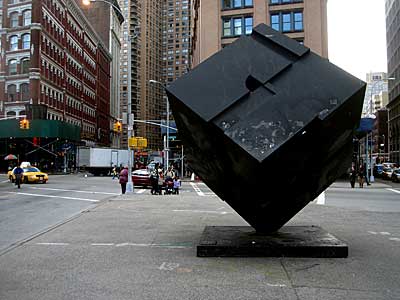
The cube in question

St. Marks was a colourful neighbourhood, an excellent place to get a tattoo, or a beer, or a piercing, or a bong, or vegetarian food, or to marvel at washed-out hippies. It is not, it turns out, a great place to get a spontaneous haircut, as the waiting time on a hair appointment is often in excess of five weeks.

Cable-tie art on Lafayette

Chinatown and Little Italy:
Chinatown is the most population-dense area we've ever failed at walking in in all our lives. There are simply so many people that one must drop one's head and charge aggressively into the madding crown. We had the best Chinese food ever at Wo Hop, and were very discreetly approached by elderly Chinese women selling "real Louis Vuitton" purses.

Little Italy lies just north of Chinatown. It is an odd experience walking from Little Italy into Chinatown, because very little divides the two neighbourhoods. One minute you're in Europe, the next you're in Asia. Go figure.

West Side:
On the West Side of Central Park is the Museum of Natural History. Nancy had never been, and it didn't take long for her to see the appeal. For one thing, it's filled with ex-animals! We also visited the Dakota Apartments, the site at which Mark David Chapman shot John Lennon. It was exciting, in the way that historical landmarks are exciting.


Upper East:
One Sunday morning, we woke up in "our" apartment and walked down Park Avenue to find a place to have breakfast. We only ordered bagels and coffee, but we lingered for almost an hour in the cafe, watching the poeple meander past, which we found to be an excellent way to spend a morning. They were immaculately dressed and accompanied by every breed of dog known to man. All the stores were extremely expensive, so this was one of the only forms of entertainment that we could afford on the Upper East Side.


Nancy outside the Guggenheim


Steff on Park Avenue

Times Square/Broadway:


Times Square, despite being one of the most populous areas of the city, was almost completely devoid of New Yorkers. We checked it out briefly before we stopped in at FAO Schwartz, spent far too much on over-priced candy, and sugar-highed our way down Madison Avenue in childishly high spirits.

CANDY!

And of course, Steve Jobs had just died. New Yorkers paid tribute at the Apple Store.


Financial District:
We had set out looking for the Occupy Wall Street protest the morning after oggling at wealthy people on Park Avenue. Unable to find OWS, we gave up and went in search of the WTC site instead. On the way, we quite unwittingly found ourselves standing in front of Zuccotti Park. We spent a good part of the day there, chatting with protesters. OWS was a peaceful protest attended by a huge number of people, and the protesters we spoke to were intelligent, well-spoken, and very clear in what they were standing for. The vast majority were "normal" people: elderly people, middle-aged people, nurses, construction workers, teachers, (ex)businessmen, families, and so on. They were not the violent, hippie, vagrant, criminal, or brain-dead protesters that the mainstream media were (and still are) portraying. A friend working for a major news network in New York noted to us that footage of the more ignorant protesters is deliberately picked out of hours worth of filmed interviews from OWS.

These entrepreneurial protesters would spray paint messages
on anything you brought them. It turned out to be an especially
 lucrative arrangement for the "I [heart] NY" t-shirt vendors
 in the square.


This woman was knitting for peace.
 

The People's Kitchen


A sing-along

Protesters embellished this statue.
The sticker on the briefcase reads "don't tell me the skies [sic]
the limit when there's footprints on the moon. #OWS"

Afterwards, we visited, or tried to visit Ground Zero. It turns out that we needed to book in advance online. The line to get in was three or four hundred strong, with guards manning every entrance. Further, a 20-ft. high fence completely blocked the area from sight.

The new "Freedom Towers". A work-in-progress.

Never mind, we thought, we'll check out the visitors' centre...Or not. There was a line of people outside the centre waiting to join another line of people inside. And with an armed guard at the door letting people in two at a time, we decided to spend our time elsewhere...

Like at Battery Park, to see the Statue of Liberty. Here it is.

Keep looking, it's there.

What left more of an impression, perhaps, than the famed Statue, was the fact that we lost each other. To date, we had spent eight months together on the trip and had managed not to get separated. And where did we break this trend, with one phone between us? New York City. We like to aim high. A panic-stricken hour ensued before we were reunited, again accidentally.

New York City was, undoubtedly, an incredible city. There are myriad activities to partake in there--in spite of this, our favourite activities were walking, people-watching, and singing. Singing, you ask? There's almost a song for every street in New York. And, being the tremendous music nerd that Nancy is, she has made a Google Map showing the songs we sang, and where we sang them during our stay in the city that never sleeps. We are completely aware of how geeky this is, but we're going to post it anyway, because that's just how we roll. Here it is, in all its nerdalicious splendour: Nerdy New York Music Map

Until next time, readers. And now that we have Internet access, "next time" should be sometime within the next 24 hours.

Creative Commons License
The Quest Quotient by Nancy Howie and Steff Werman is licensed under a Creative Commons Attribution-NonCommercial-NoDerivs 3.0 Unported License.

Friday, November 4, 2011

Moonlight in Vermont

Hello, readers! This time around, we're going to pretend to be photobloggers. Having provided you with a few wordy entries, we're going to use the medium of photography to document our trek from Minnesota through Quebec and into New England. Forgive us if we can't restrain ourselves, and we throw in a few words here and there.


Hiking at sundown


Early morning on Lake Superior

We bid our Minnesotan hosts farewell and hit the road, along the Upper Peninsula (at our old hitch-hiker Holly's recommendation). Minnesota, Wisconsin, Michigan...


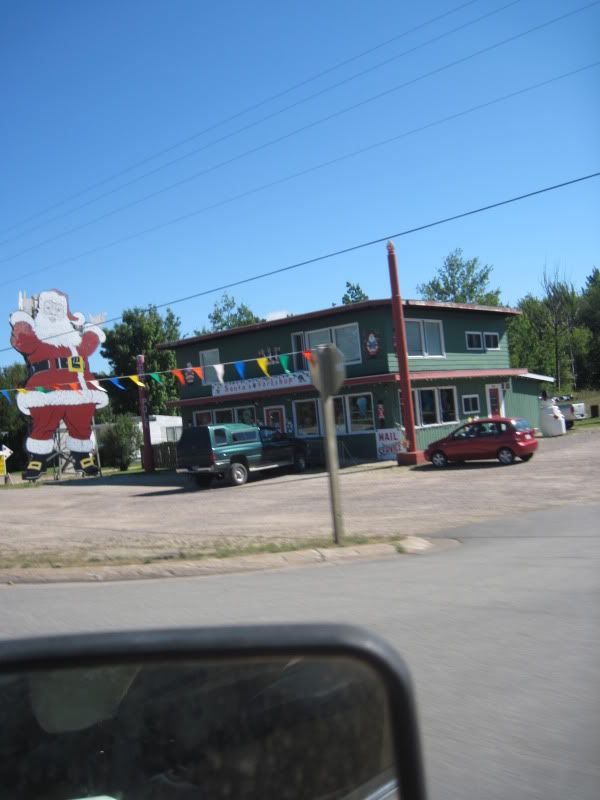
The merry town of Christmas, MI


This trip was largely a mess of long days and driving, seemingly endlessly. However, we found our silver lining when we crossed the border into Ontario, without a hitch!

Canadian Border Guard: [takes passports] Where are you headed?
Us: Montreal.
CBG: When are you leaving?
Us: In approximately one week.
CBG: [hands back passports] Have fun!

The following photos are of us in Montreal. We only stayed in Montreal for two days, but we managed to pack a good deal into our weekend, thanks to an extremely thorough guide, custom-written for us by a friend from New Zealand. Thanks, Anna, for the guide, and for helping us to organise our accomodation.

Navigating around Montreal was certainly a test of Nancy's years of French study, a test she undoubtedly failed on several occasions. In said situations, we found an apologetic smile transcends language barriers.

At Anna's suggestion, we visited the Old Port (cobblestoned and resplendently historic, especially for us Kiwis, who hail from a very young country). The Old Port, allegedly, was a trading post for French fur traders in the early 1600s, and has remained a cultural hub since. The port itself has been moved further east, leaving the Old Port area for tourists and recreation-seekers.

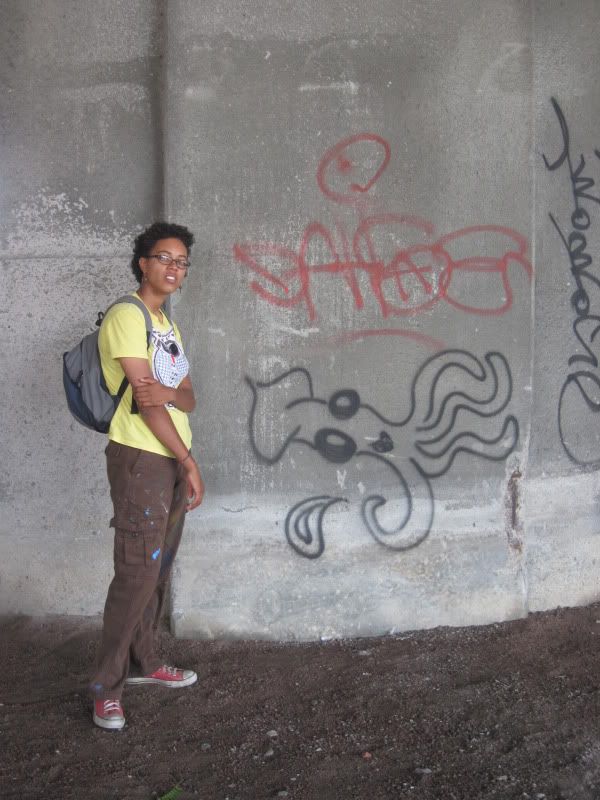
New graffiti in the Old Port.

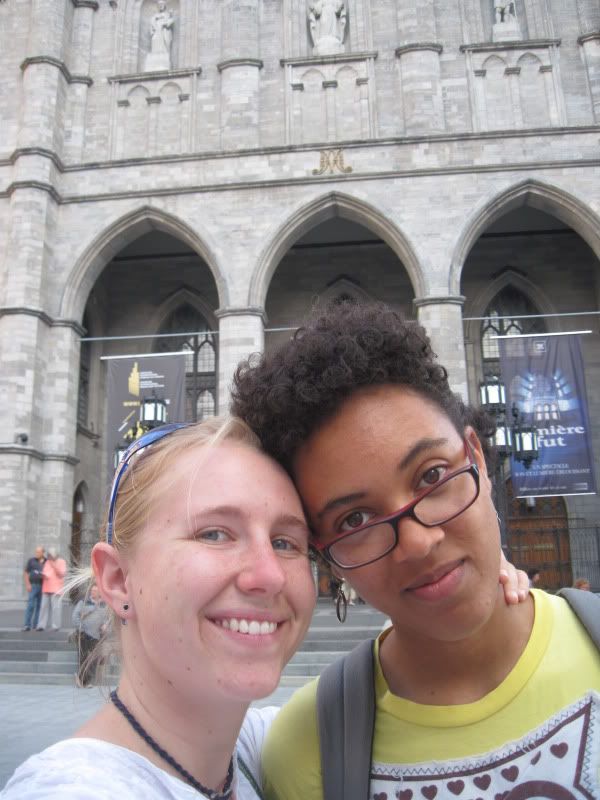
Your dutiful bloggers outside Basilique Notre-Dame de Montreal

In Montreal, we checked poutine and St. Viateur bagels off our list of foods to eat. Bear with us as we describe poutine. It could clog your arteries just to read about it, but really, it tastes great. It's a cultural and culinary staple in Quebec, comprised of fries, cheese curds, and gravy. It looks like this:

Thanks, spotlightseries.blogspot.com for the photo!

OK, so it doesn't look that great either. But trust us, it tastes great! Granted, we didn't feel all the way right for hours afterwards, and ended up skipping on dinner, but poutine is not to be missed if you're in Quebec!

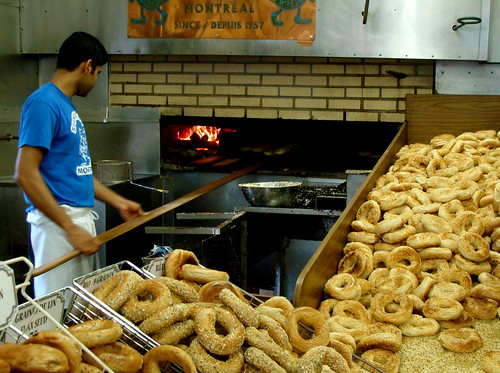
St. Viateur bagels are a food that was recommended to us over and over again while we were in Montreal. When we finally went to St. Viateur, we bought our two sesame bagels (sesame are the best, because they're most likely to be warm, due to their high turnover), along with some cream cheese, and smoked salmon (these are purchased separately). After we had finished our bagels, we walked straight back to the bakery and bought another twelve. They're different from New York bagels, sweeter and lighter. The best part: the bakery is open 24 hours! We met many people who had paid St. Viateur Bagel a drunken, 4 a.m. visit.

And here it is:

Mmmm...bagels!

Montreal, although we only visited briefly, struck us as a clean, colourful, and exciting city. We felt safe and well-accomodated. That said, we found that it was extremely important to make a valid effort at speaking French, even if our spoken French was patchy at best. Most Montrealais speak English fluently; however, we got the impression that to assume (without making an attempt at speaking French) that they do and will won't earn you friends. We saw a great many tourists address servers with "Do you speak English?"--others who persevered with their broken French received noticeably better service.

From Montreal, we moved on to New England! Our crossing back into the USA was fairly seamless, although we did have our avocados confiscated (an excellent way to ruin a perfectly good lunch).


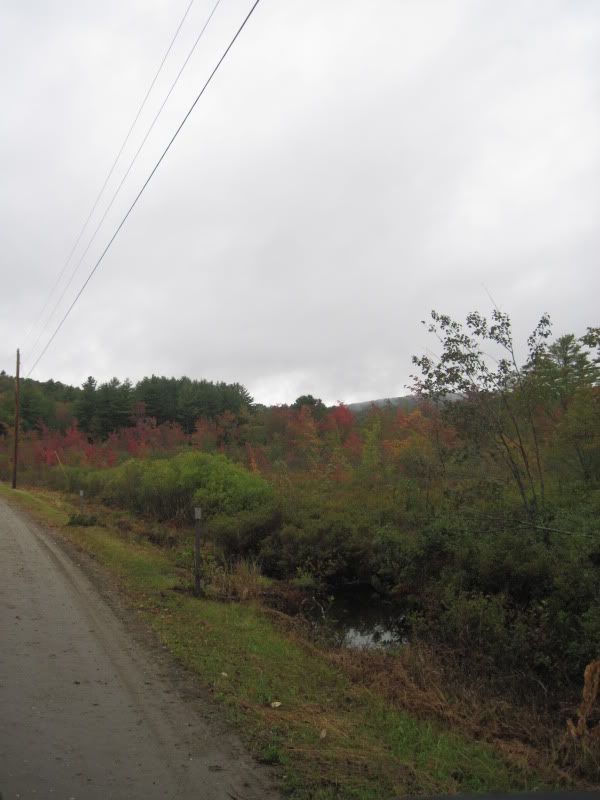
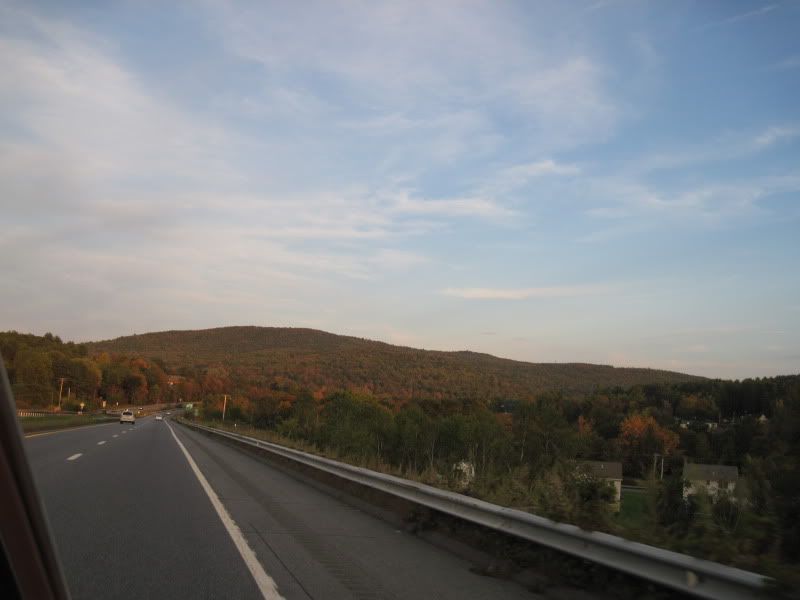
In Orford, New Hampshire, the leaves were just beginning to change. We were told that we were a week short of their true splendour when we left.

We visited with more good ol' family friends, who happened to be preparing for the arrival of forty-odd visitors for an annual college reunion. In America, the "college experience" seems to provide more of an opportunity for friend-making than university in New Zealand. This was certainly evident in the closeness of friendships these old classmates shared. It was an inspiring event. We'd like to thank the Steketees for letting us tag along for "Stekfest 2011" (alternately named "Woodstek", "Stekstock", and "Gailapalooza").

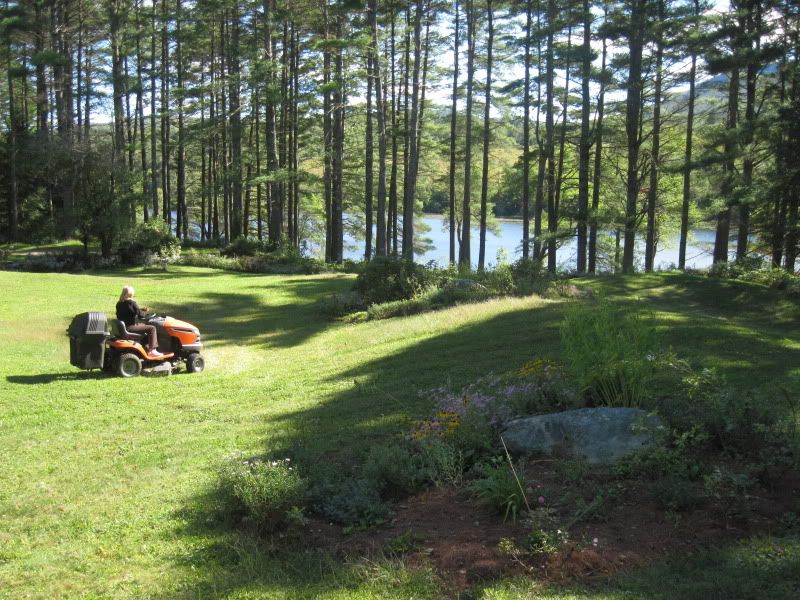
Steff tends to the grounds in preparation for the big weekend!

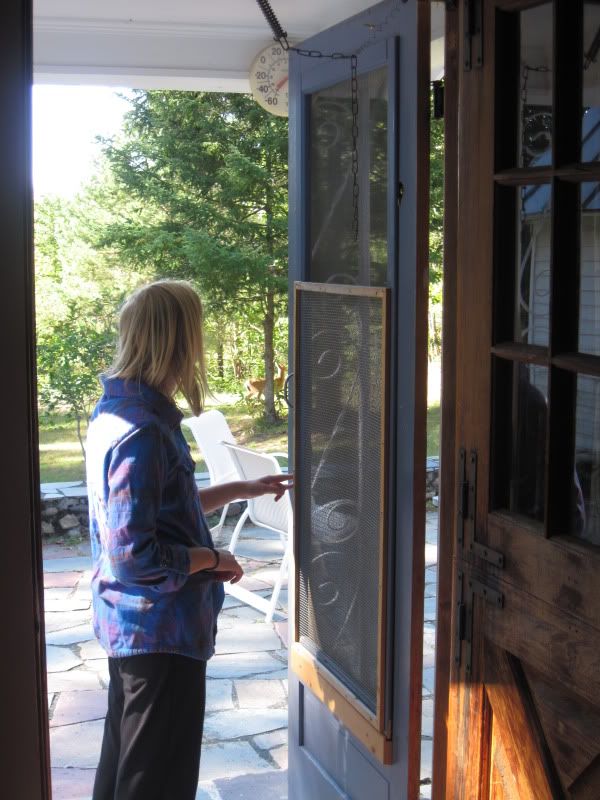
Several deer stop by our house (not only did we have the luxury of sleeping inside; we were given a whole house to stay in!).

We stopped by Cavendish, Vermont to see some of Steff's "family". Shortly after our arrival, we worked out that they weren't technically family at all. We chose to overlook this fact, as they were as caring and hospitable as family can be, anyway.

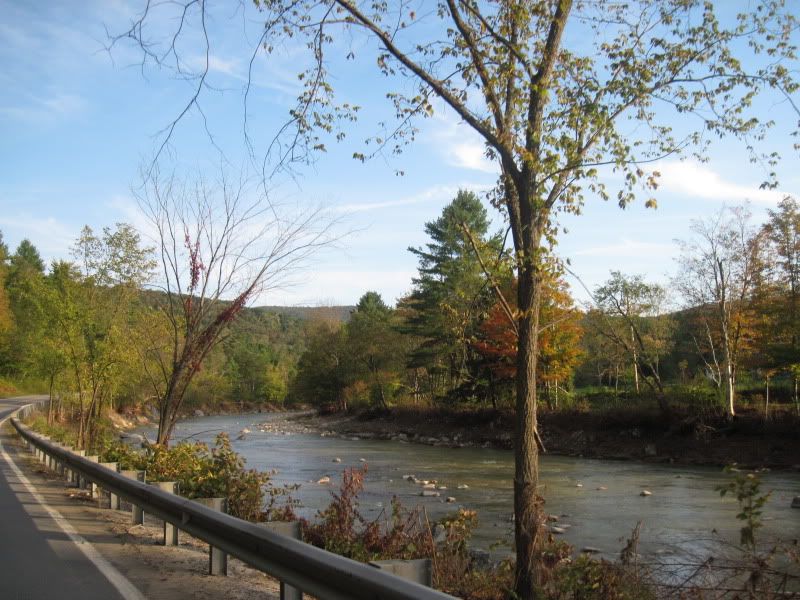
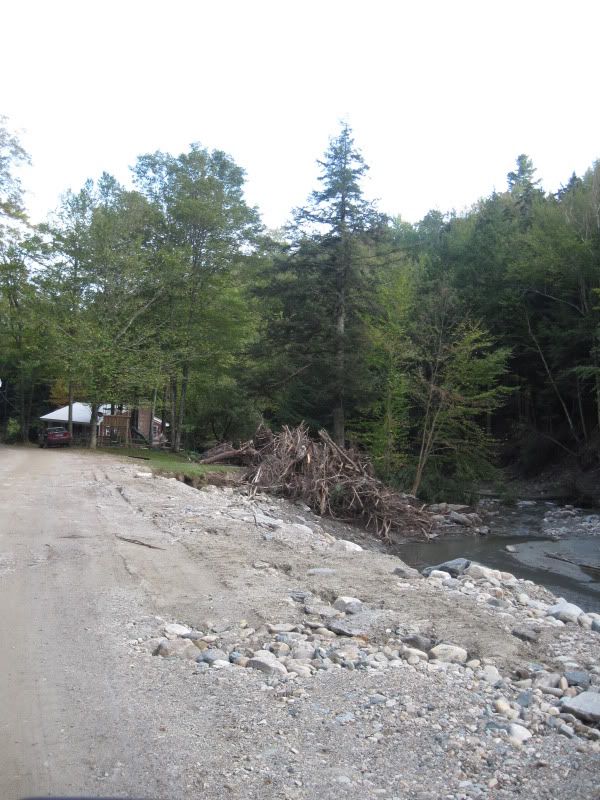
Vermont had just been blindsided by Hurricane Irene. This made it exceedingly difficult to navigate the roads. Indeed, many of the roads on our map were now ex-roads.

This road was in the process of reconstruction. The house on the corner had had the ground beneath it swept away. It now hangs ominously over the river. At the time of the hurricane, all roads to the house were washed away, and the inhabitants were trapped.

The weather had improved considerably by the time we arrived.


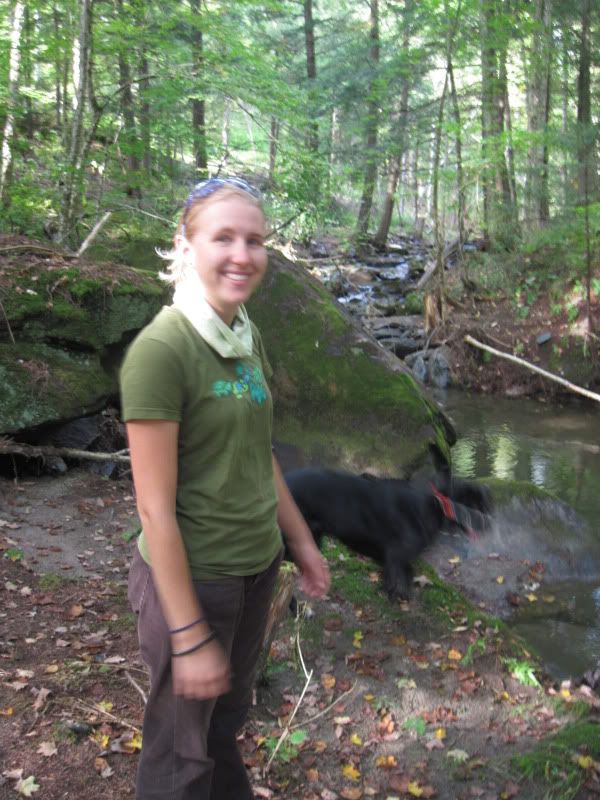
Just before we left Vermont, we went for an excursion through the forest. Colonial New England was heavily deforested, so that the land could be used for farming. Today, however, the situation has reversed, and New England states are some of the most densely forested areas in the United States (Conservation New Hampshire names the state as the second most forested in the country with approximately 79% tree cover. It is second only to Maine). As a reminder of its slightly more naked history, New England forests are lined with beautiful stone walls, used in the 19th century for marking property lines and fencing animals.

Thanks, consideryourselfathome.blogspot.com for the photo!


As much as we loved New England, we can't stay anywhere indefinitely, and New York loomed on our horizon. And so, a little reluctantly, we stepped out of the forest and into metropolitan jungle.

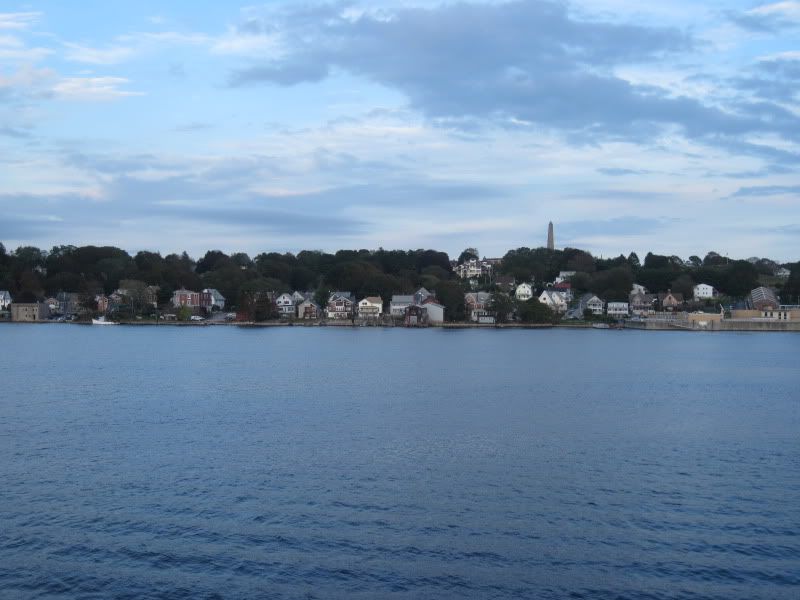
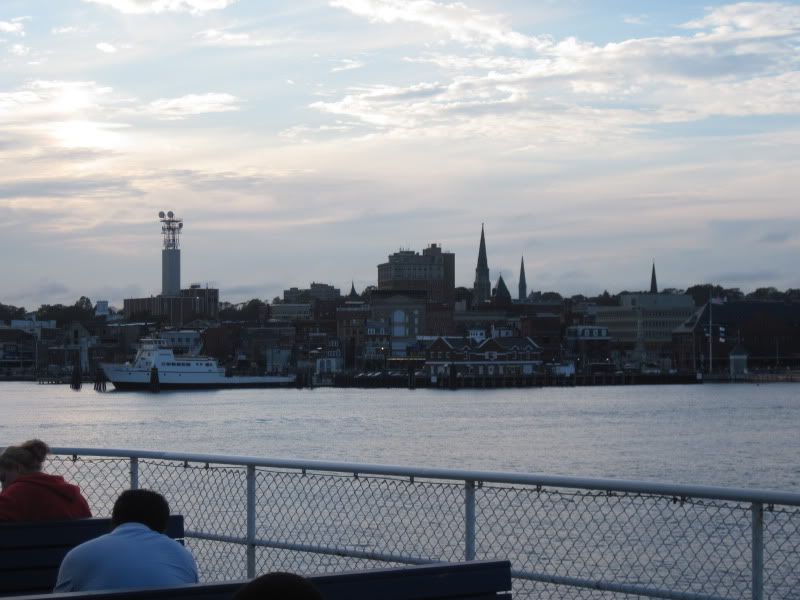
But first! We finally had our happy reunion with the ocean, on our ferry from New London, Connecticut to Orient Point, New York.

Ocean, how we missed you!


Coming up next: like Sufjan Stevens, we "drove to New York, in a van". Stay tuned!

Creative Commons License
The Quest Quotient by Nancy Howie and Steff Werman is licensed under a Creative Commons Attribution-NonCommercial-NoDerivs 3.0 Unported License.
Based on a work at thequestquotient2011.blogspot.com.

Tuesday, November 1, 2011

Beep Beep'm Beep Beep Yeah!

We looked at all of our maps when we got to Calgary. We had been on the road for six months; quite the feat, we thought. We'd braved South Californian freeways, coalesced with San Francisco urbanites and Bay Area suburban pseudo-hippies, and trekked our way up the Pacific Coast Highway. After we'd conquered the West Coast, we summited the Canadian Cascades and the Rockies, enduring hard labour along the way.

We had driven a grand total of 2780 mi  (approximately 4470 km). Yes, quite a feat, we thought. That is, until we looked at our maps and realised that we had a further 4330 mi (6970 km) to go. It turns out that Canada's quite large.

So we'd like to dedicate this episode to the road, that never-ending black and yellow spiderweb that has helped define our nomadic existence this year. Let's talk about driving.

It took us three months to drive from Canada's west coast to the the Albertan interior (1180 mi, or 1906 km). Our plan was to drive from Calgary to Tofte, Minnesota to visit some friends of old (and new, for Steff). The distance was 1250 mi (2010 km), and we did it in four twelve-hour days.

Over the course of these four days, we encountered three significant character trials (like a fairy tale!) pertaining to long-distance driving: overcoming mind-numbing boredom, surviving Midwestern border crossings, and persevering in spite of baffling distances.


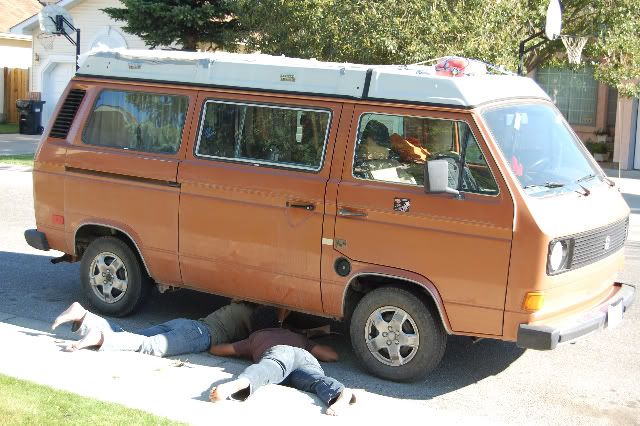
We prepare for our journey by gifting Willie with a new fuel filter.

We had been warned about the Canadian prairies. We were told by numerous reliable sources that a man could watch his dog run away for three days in Saskatchewan. But we had 120GB of music on our iPod--we thought we were set...

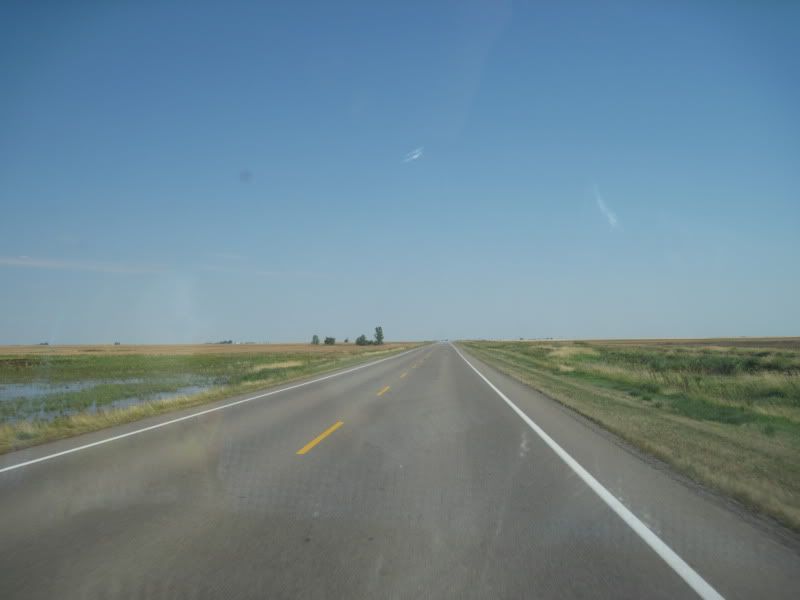
...And we were, for at least six hours. We sang along quite cheerfully to five or six albums, then we played everything on shuffle for a few hours more. At about this time, our voices and our stamina began to dwindle, and we realised that for all the hours we had been driving, we had had nothing to look at but a seemingly infinite sea of wheat. In the first half hour, it was gorgeous. Midas himself reached out and stroked Canada's central landscapes--but he'd gotten too handsy. All that gold got to be a blinding and mind-numbing burden. The infinite stretches of industrial monoculture made Steff's eye twitch. Its vastness was terrifying.

It was beautiful. At least, at first...

We played every road game we knew, and invented several more ("Aha! New roadkill! 10 points!"). Just when we felt we couldn't stand it anymore (somewhere around Moose Jaw, Saskatchewan), we discovered that we had Harry Potter and the Half-Blood Prince on audiobook on the iPod. That bespectacled, magical adolescent coaxed us into his fictional wonderland, and rescued us from the doldrums of the prairies. awe were now driving in a timeless void. We could go for hours on end with unbounding energy. In fact, for a lot of North Dakota, we actually thought we were at Hogwarts, battling it out against the most dangerous dark sorcerer known to wizardkind. Just casually. Without Harry, we'd have given up at Climax, SK (perhaps not the worst place in the world to stop).

We interrupt this paragraph for a side note on Climax. According to Wikipedia:
"The town features in the board game Trivial Pursuit, which asks what features on the reverse of the town welcome sign; the answer is: 'Come again!'"

A corner!

Surviving a Midwestern border crossing was significantly less simple. As you know, we had been bitten before at borders (see "When the Going Gets Tough", 18/5/11), so we thought a smaller crossing might be our best bet. We chose Portal, North Dakota. Well-prepared we were, too: we had every piece of documentation we might need at the ready, and then some, in a schnazzy black folder. We were conservatively dressed. Steff drove, to minimise confusion: the car's in Steff's name, but Nancy usually drives; Steff has a US passport and an unmistakably Kiwi accent; Nancy has a NZ passport and an American accent; we both reside in NZ but have been in North America since February. It's all too much for your average border guard.

We pulled up at our crossing booth. It was going well, we thought, until we were asked to drive over to the office and come inside. Once there, we were separated, searched, and interrogated in a small room by four large and intimidating uniformed men.

"If you're an American, why are you traveling in Canada?" they asked Steff menacingly, before confiscating her car keys. She asked for them back, but was informed that she wouldn't be needing them. Nancy's bag was emptied, and her journal was read by one of the officers. Then the two of us were made to wait. Two hours passed. We weren't sure what we were waiting for or why we were even there. We asked to use the bathroom, but were told we weren't allowed to move until the inspection was over. Inspection? We weren't told about an inspection at any time. Upon our release, we were informed that a bottle of prescription medication was broken during the search. That's strange, we thought to ourselves--that eyedropper bottle was well-wrapped and stored safely in our first aid kit to prevent it from breaking. Nancy told the officer that the medication was not only worth NZD$100, but that it had been extremely hard to come by and was ordered from Australia. His response? "You're in America now. We have everything here."

Surviving this crossing is still something of a mystery to us. We kept our mouths shut while we were, as Arlo Guthrie put it, "inspected, detected, infected, neglected", and ultimately rejected. We said nothing while they took our keys, drove, and searched the van. We remained silent when we were faced with the chaotic state in which they left the van. But we weren't happy about it. We were frightened, and we didn't know why we had been detained.We didn't know our rights, and we were certain that it would've been a lot harder for us if we had kicked up our rightful fuss. We suspected that we had been preyed upon by our bored, twenty-something male border guards for being two young women traveling in a VW. Further, as one Canadian friend told us, "it's obvious what they're looking for if you're coming from BC!" (indeed, they very closely inspected all of our loose-leaf teas).

We felt violated and powerless, but what, if anything, could we do about it in post-Patriot Act USA (readers, we're open to suggestions here)? We drove on.

This was our view for three days.


And on and on and on and on. But, it turns out, persistence certainly pays off. Days of driving yield many changes. People change (busy, urban Calgarians are vastly different from slower-paced, conservative, but well-meaning small-town North Dakotans). Gas prices change, although this change is less often a well-received one. Nothing is indefinite. Not even wheat fields. After three days of prairie land, Minnesota provided us with extremely welcome change in the form of forests and wetlands. Most importantly, the odometer changes. Although it may not have seemed as though we had gotten anywhere (especially when we compared our provincial navigation maps against those of all North America), the odometer was always a comfort to us at the end of our day. The constant, albeit subtle changes observed throughout the day are what truly make us forget about the driving.

Did we ever make it to the ocean? Not quite.

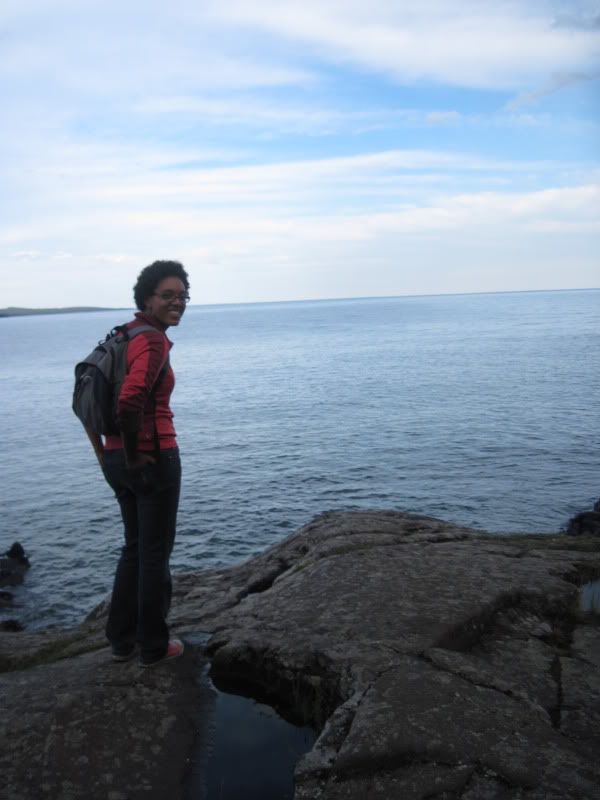
Once we reached Lake Superior, all that driving paid off, instantly. Not only were we in excellent company, safe, well-fed, and comfortable (many, many thanks to our hosts, Irene and Phil), we were on the shores of the  world's largest freshwater lake (if Michigan-Huron is counted as two individual lakes). Allegedly, if the water in Lake Superior were distributed evenly across the Americas (North Canada to Cape Horn), the entire landmass would be inundated in a foot of lake water.

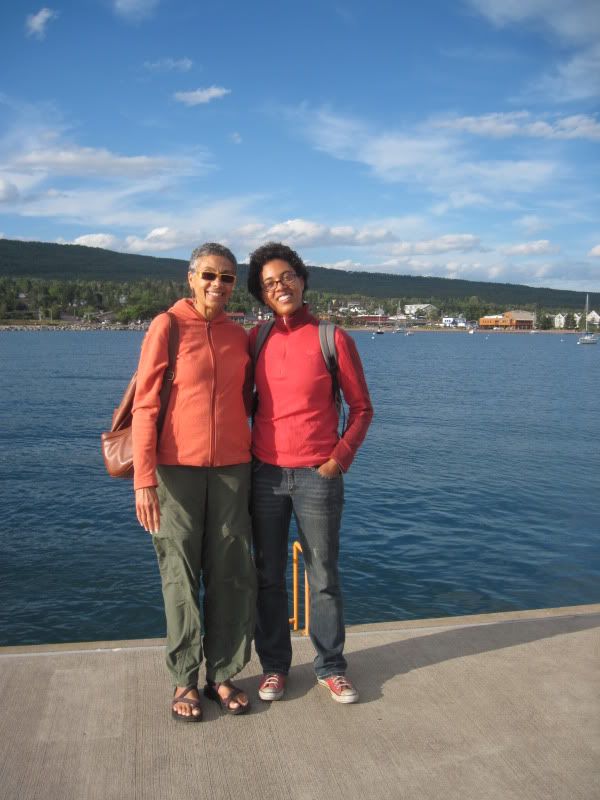
Nancy and Irene in Grand Marais, MN

Next up: more driving. To Ontario and beyond!

Creative Commons License
The Quest Quotient by Nancy Howie and Steff Werman is licensed under a Creative Commons Attribution-NonCommercial-NoDerivs 3.0 Unported License.
Based on a work at thequestquotient2011.blogspot.com.
Tuesday, October 4, 2011

Money, Money, Money


Believe it or not, it’s coming up to our eighth month on the road. And all along the way, people have asked us how we can afford to do this trip in the middle of a recession. We’ve decided to include a special topic blog, just for you, readers. Here we go: this one’s about frugality in transit.
Firstly, let us emphasise that we do not generate money using crime, ingenuity, or magic. In fact, we are not generating money at all at present. The truth is that we worked our butts off last year in preparation for this trip and are making it last in a variety of simple ways.
Accommodation Costs
Before we left, we calculated the cost of staying in hotels. Horrified, we looked into the cost of staying in hostels. Horrified, we bought a van with a foldout bed. 
Having our home on our backs while traveling has enabled us to stay months longer than we would have, had we been forced to pay for our accommodation along the way.  
As you know, the WWOOFing component of the trip is over. While WWOOFing was almost completely free (and thus an excellent way for travelers on a budget to explore unseen lands), we’ve been fortunate enough to have a safe place to stay almost every night since then. We both have many friends and family members living in North America (a crucial factor for us in deciding just where to go). Not all of our hosts have have had guest bedrooms, but we tell them it’s no problem. “We’ve brought our own!”
Facebook, surprisingly, has been a useful resource for finding a place to crash. We have met a good many people after posting the status update: “Ahoy, friends! Does anybody know anyone in _______ who we could stay with? All we need is a driveway and a toilet!” People we have stayed with have also, helpfully, gotten in touch with friends of theirs to help us find places to stay. Then, if none of these options work out, as a last resort, we stealth camp.


It turns out that graveyards aren't the best places to stealth camp. Despite the fact that this one had its own port-a-loo, we found ourselves awake at 2 a.m., anticipating a Living Dead-style ordeal. 

Stealth camping is a fine art, one that we have slowly honed since White Rock, B.C. Essentially, stealth camping involves pulling surreptitiously into an area to sleep, and slipping away unnoticed in the morning. Many websites recommend arriving at your stealth destination late and leaving early. There are merits to this method, but there are also challenges. For example, it is difficult to get a feel for a neighbourhood when it is dark. What we prefer to do is to scope out an area before dark, locate the perfect spot, then find a large, nearby parking lot (ie. for a mall or a supermarket). We park in the lot, cook dinner, and use the bathroom just before the store’s closing time. Then, when darkness falls, we return to our selected sleeping place. The ideal sleeping location is a quiet, suburban family neighbourhood. We look for bicycles, toys in yards, expensive cars, or families out walking their dogs as a marker of suitability. Optimally, the chosen location is also close to a shopping centre, which you can visit in the morning to use the facilities before departure (as much as we despise Walmart and McDonald’s, these are the most likely to be open 24 hours, in case nature makes an inconvenient house call at 3 a.m.).

Feeding Ourselves


Crazy potatoes!
Continuing with our theme of convenience, humans, most inconveniently, require constant feeding.
This was initially a challenge for us, as we discovered soon after our arrival that VW Westy fridges rarely work. Ours may work, but nobody thus far has been able to figure it out. Instead, we use a chilly bin (a “cooler”, for our North American readership), and our fridge as a dry storage area. Ice for the chilly bin can typically be found for free at marinas. Failing this, we have saved large juice bottles, which we fill with water and store in people’s freezers when we visit. We have yet to stay with anyone who has refused to let us freeze our “ice cubes” in their freezer. But if we’re desperate, ice is sold relatively cheaply at most supermarkets and gas stations.
Having a cooler means that we can consume a few perishable foods, like yoghurt, cheese, eggs, and milk. Because vegetables don’t keep long in the cooler, we typically buy them fresh every few days. Preferably, we stop at farm stalls and farmers’ markets along the way, to buy local produce direct from the farmers. We also keep what we feel is an admirable store of non-perishable foods, like pasta, brown rice, canned fish and beans, dried mushrooms and wakame, and dry pulses (a nutritious and delicious source of protein when meat is difficult to keep). We have garlic--clearly, we weren’t about to go ten months without garlic!--onions, and a variety of spices to make our meals interesting. We’re literally ready for the zombie apocalypse. Most of our main meals involve either potatoes, rice, or pasta with an elaborate veggie stir fry, beans or eggs. We typically make enough dinner so that we have leftovers for lunch for the next day.


Guacamole! Avocado, garlic, onion, lime. Poignant. Simple. Delicious.

Breakfast is a nice, simple meal for us. We make our own granola, in vast quantities. Here’s how we do it:
Ingredients:
-rolled oats 
-a variety of seeds (sunflower, pumpkin, sesame, poppy, and flax)
-nuts (almonds, walnuts or pecans, macadamia nuts, and hazelnuts)
-chopped dried fruit
-oil (we’re indiscriminate. We used olive oil last time, and that worked really well)
-honey or molasses
-cinnamon
 We like to buy our nuts, oats, fruit and seeds from the bulk bin section of a supermarket. We opt for whatever’s fresh, because often bulk-bin supermarket nuts are rancid. Steff can attest to this, being our official taster. Anyway, on with the show.
Method:
Coat oats in a generous amount of oil (but not so much that there’s excess at the bottom of your mixing bowl). Toast oats until lightly browned. This can be done in the oven or in a skillet. Put to one side. Toast nuts and seeds until lightly browned. Set to one side. Mix and gently heat oil, honey/molasses, and cinnamon in a pot, and add to the nut and seed mixture. Make sure the nuts and seeds are properly coated in the honey/oil/cinnamon mix. Combine browned nuts and seeds with toasted oats. Add chopped dried fruit. Store in a cool, dry place (like what used to be a refrigerator).


Tadaa!

The ratio of oats to nuts is up to you. We like to a 60/40 oats to nuts mix, because nuts can get quite expensive.  We calculated, however, that our granola comes out at about $0.80 (USD) per serving (and our portions are generous!). A bowl of our granola keeps us fuller for longer, is far cheaper than the fancy-schmancy store-bought brands, and is customised.
Snack foods were something we had to deal with from the get-go. Our maiden voyage was a bit of a disaster, in retrospect. We stocked up on gummy bears and root beer, and were fairly sick about an hour in. Yes, we reasoned afterwards, we’re on a road trip, but it’s a ten-month road trip, and we can’t justify snacking on junk food for that long. So we started to make our own snack foods. Nuts and fresh fruit are excellent road snacks, but one of our favourites is homemade salsa. Behold:
Ingredients:
-3 tomatoes
-half a brown onion
-juice of one lime
-2-3 cloves of garlic (more if you’re Steff)
-a generous bunch of coriander/cilantro
-salt and pepper to taste.
Method:
Mince everything that can be minced. Mix in everything else.


It’s delightful with organic blue corn chips. It’s also a great sauce for cooked dinner meals and for huevos rancheros.
At the start of our trip, someone advised us to eat out on the grounds that it would be cheaper. Firstly, it’s definitely not cheaper to eat out--cooking from scratch generates meals that rarely cost over $2 per serving. Most importantly, though, we do not cut corners when it comes to food. We certainly aren’t frivolous in our food spending, but our policy at home has always been to pay now for healthy food rather than pay later in medical bills, and it still applies while we’re traveling. Sure, processed food and conventionally-farmed fresh produce is often cheaper, but we’d prefer not to contaminate our bodies with growth hormones, antibiotics, high-fructose corn syrup (or whatever they’re calling it now), or anything else in that vast array of unidentifiable food chemicals. While we’d prefer to be growing our own, it’s difficult to keep a garden in a van. We do, however, grow fresh sprouts. We’re told they’re uber-nutritious. They’re also tasty in sandwiches, stir-fries, and salads. We can’t grow much else in the van, but we’re willing to pay for the next best thing, which is organic supermarket food, or produce bought from organic farmers. 
Entertainment
Obviously, this trip hasn’t been all sleeping and eating. We have entertained ourselves besides. Entertainment can be expensive, but it doesn’t necessarily need to be. 

Steff entertains herself in New Hampshire. Ride, Sally, ride!

When we arrive in a new area, the first thing we do is go for a walk (don’t worry, it gets better!). On our way, we usually come across local papers, which list events, like poetry slams, lectures at universities in the area, or local live music. These are often free or very cheap.
Yelp.com has been an excellent resource for us (thanks to Nancy’s uncle Wes for introducing us to the website). For those of you who aren’t familiar, Yelp is a site on which you can search within a town or a city for anything you might be looking for, be it a VW mechanic, an Ethopian restaurant, good espresso, or, in this case, “fun things to do”. The site lists items according to your search criteria in order of ranking by other users. It also features reviews, again by other users. We have found some true gems through Yelp.

Seeing the sights (famous landmarks, churches, city halls, libraries, etc.) rarely costs money and makes fabulous photo fodder. Museums are often free. If not, many have free days or a suggested donation (read: they’re free). All of this information is on the Internet.


Here are some sights we have seen along the way:


Sanders Theatre at Harvard University. Thanks, Deva, for smuggling us into your class!


Steff outside the Basilique Notre-Dame de Montreal
Horseshoe Canyon, Alberta. This tour courtesy of close family friend Janice!


Chain bookstores have provided us with warmth and outlets to charge our phone/iPod/camera batteries. Almost every mall in North America has a big box bookstore, and almost every one of these bookstores has a (Starbucks) cafe, where you can sit and read the books to your heart’s content. Or at least, until you’re kicked out at closing time (as a side note, Starbucks has free internet. As there are usually two to three of the "cafes" on any given city block, we have never had to pay for Internet on the trip).


This, predictably, leads us to books. Secondhand books are unbelievably, irresistably cheap here (we bought twenty books for $5 at a Las Vegas Library book sale back in March). We realised that having free time for the first time in years has afforded us the perfect opportunity to sit down and read books. How many times last year did we find ourselves complaining about not having time for leisure reading? Cheap books are ubiquitous--we like to check out secondhand book stores, garage sales, flea markets, and libraries (which also have free wifi--bonus!). 
If you’re traveling in summer, look out for music festivals, because they take volunteers. At the Vancouver Island MusicFest, we got a weekend pass for the festival (including the Thurs. night pre-show), free meals, and free camping in exchange for a mere 18 hours of labour in the volunteer kitchen (spread over the three days). This was without question, the best free fun we’ve had on the trip!


It's nice to have a quiet day in after days of driving. 
The aforementioned are all fun, but by and far the greatest source of entertainment is the people we meet on the way. One can plan a trip meticulously with sightseeing and tours, but we’d rather plan our stays with people and leave the rest of our time open. Our best times have been unplanned experiences with other people. Essentially, rather than spending money to get to know a place, we’d prefer to get to know the people. 


Plus, most people are happy to show visitors around their town and the surrounding areas. They also have an insider’s perspective on fun activities for their town. As house guests, our hosts have taken us on walks and hikes, to farmers’ markets and flea markets, to college reunion parties, on driving city tours, to dinosaur museums, and to friends’ homes for dinner. 


Hoodoo? You do! Do what? Remind me of the babe!


Downtown Calgary. Thanks, Ennio and Briana for the tour!


Steff and a dinosaur leg


Lastly, having a couple of guitars and a repertoire of well-known songs has not only been a free source of entertainment for us--it has gotten us through several open mics that others have invited us to. We’ve also met a diverse range of people through our music.


Our first open mic night! 

Movin’ Around
Transportation is the last item we’d like to address. We have found that owning the van has served us well. We did look into Amtrak and Greyhound before we left for North America. The former has limited lines, which would have made travel to small, remote farms extremely difficult; the latter...well, it’s Greyhound. The van was really the best option for us.
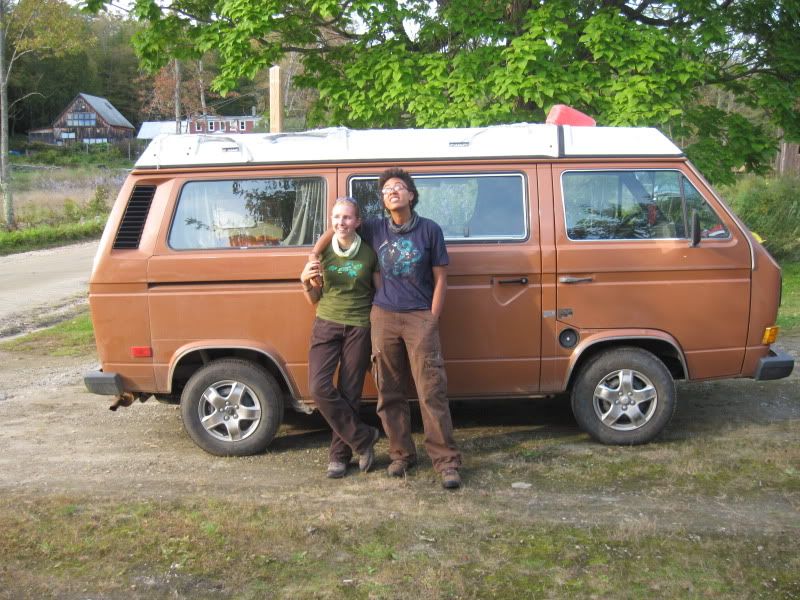
That said, it’s important to monitor one’s fuel efficiency when traveling long distances. For an old gal like our Willie Westy, it’s essential that we keep her well-lubricated: we check her oil before every voyage. We also make sure to check the tyre pressure. Having well-maintained and properly-filled tyres increases fuel efficiency (read: saves money on gas) and improves overall handling of the vehicle. We’d like to thank Phil Patch for his help with our tyres in Minnesota--we’ve really noticed the difference! Lastly, it’s good for the gas mileage (and the brakes) to avoid rapid acceleration and deceleration. Granted, rapid acceleration has never been an option for Willie, but we try to drive her steadily and not too hard. We give her regular breaks and try to keep an even speed throughout. And of course, we thank her after every trip.
Closing Words
Living in the van has taught us valuable lessons in the difference between luxury and necessity. It has been a pertinent introduction to a simple-living lifestyle. It is so important, especially in light of the recession, to be able to accurately evaluate what one needs versus what one wants. There’s nothing like living in a 7’ by 4’ by 10’ van to make this devastatingly clear. We do not shop recreationally on this trip, not simply because of the financial factor, by also because there would be nowhere to store our goods once we brought them back to the van. When we need new clothes, we make sure to donate some of the old ones, and we always replace them at thrift stores. It appears that North Americans are far more likely to ditch good clothes at Goodwill or the Salvation Army than Kiwis. Many of the items we’ve found are brand new (as opposed to Hospice Shop clothes, which have often been worn to well-loved, holey rags).

The butterfly garden at Calgary Zoo. Saving money in some areas allows us to spend it on things we really want to see or do. Like go to the zoo!


When we describe our trip to others, their first reaction is shock at the imagined costs involved. Many people have asked us about our budget along the way. When we left New Zealand, we were aiming for an average daily budget of USD$30 each. Factoring in our time WWOOFing in Canada, we’re currently well under-budget. Hopefully, with a little sensibility and resourcefulness, we’ll be able to keep up this trend. 

Do any of the readers out there have any pointers they'd like to add? If anybody has any questions, feel free to use the comment section below, and we’ll answer to the best of our abilities! 


Sundown at the cemetery


Creative Commons License
The Quest Quotient by Nancy Howie and Steff Werman is licensed under a Creative Commons Attribution-NonCommercial-NoDerivs 3.0 Unported License.
Based on a work at thequestquotient2011.blogspot.com.